Self-Dealing: A Concise Guide For Foundation Board and Staff
An overview on the self-dealing law, including definitions, common problem areas, exceptions, penalties, and resources.

Search Tip: Search with " " to find exact matches.
An overview on the self-dealing law, including definitions, common problem areas, exceptions, penalties, and resources.
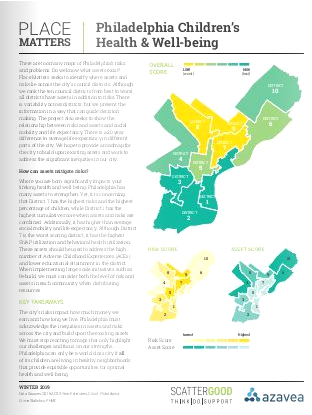
An increasing number of foundations are embracing racial equity/equity as a core value, and it is influencing how they see themselves and operate. However, evaluation has for the most part remained untouched. Knowing how race/racism has influenced both, philanthropy and evaluation, deepens our understanding of how philanthropic evaluation practice may unintentionally reinforce racism. Equitable evaluation shifts the current evaluation paradigm to one that centers equity/racial equity, so that it is more aligned with the values and intentions of current day philanthropic endeavors.
In 2018, Funders for LGBTQ Issues set out to survey the board and staff of foundations in order to identify how many LGBTQ people worked in philanthropy. In the process, the organization realized that it had an opportunity to not only ask about sexual orientation and gender identity but also to inquire about a range of personal identifiers. With the inaugural Diversity Among Philanthropic Professionals (DAPP) Survey, Funders for LGBTQ Issues asked participants to identify their role within their foundation, their age, gender identity, sexual orientation, race and ethnicity, and disability status. This report lays out the results of the DAPP survey in aggregate form.

The Case for Funding Black-Led Social Change intends to spark new energy to vitalize and strengthen the infrastructure for Black-led organizations. The 18-page document was issued by the Black Social Change Funders Network (BSCFN), an initiative forged by the leadership of ABFE: A Philanthropic Partnership for Black Communities and the Hill-Snowdon Foundation.
This guide is designed to help local place-based funders invest quickly in leaders and organizations who are poised to address the threat of political violence around the United States election in 2020.
Proactive communication with your grantees is essential during times of disaster. The Nelson Foundation has kindly agreed to share some of their COVID-19 grantee email communications with Philanthropy Network membership.
Due to the COVID-19 pandemic, the transition to remote work has presented numerous challenges for nonprofits and foundations alike. With most grantees working off-site, foundations need to consider the most effective and cost-efficient way to get funds to them beyond mailing checks. This resource includes the results of a Philanthropy Network benchmarking survey of e-payment practices in relation to grantmaking and two discussion threads found on PEAK Grantmaking's Open Forum.
Results of an online experiment suggest that underrepresentation of people of color in the realm of investing is not only a pipeline problem, and that funds led by people of color might paradoxically face the most barriers to advancement after they have established themselves as strong performers.

Echoing Green and Bridgespan teamed up to research the depth of racial inequities in philanthropic funding.

New research shows that Black fund managers must overcome racial bias to win institutional money and are judged more harshly as top performers.

This guide provides a solid basis for thinking and talking about the next steps in your organization’s learning work. It is designed to serve as a resource to help grantmakers answer critical learning questions and embed learning more deeply into the day-to-day work and cultures of their organizations.
In the latest edition of its research of corporate social investment has found that leading corporations are intensifying efforts to meet key societal needs around the world. It is based on data from 252 companies and not only presents a profile of corporate philanthropy and employee engagement, but also includes a Trends Summary that highlights the prominent features of corporate societal investment.