Pensions & Investments: It's racial bias, not merely an issue of access
Published:
08/2019
New research shows that Black fund managers must overcome racial bias to win institutional money and are judged more harshly as top performers.

Search Tip: Search with " " to find exact matches.
New research shows that Black fund managers must overcome racial bias to win institutional money and are judged more harshly as top performers.
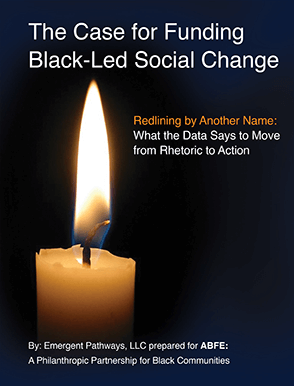
ABFE: A Philanthropic Partnership for Black Communities (ABFE), recently conducted a study to learn how leaders of Black-led social change organizations in the United States and U.S. Territories describe their interactions with institutional philanthropy.
An update for Pennsylvania funders on national, statewide and local activities currently being undertaken – and where philanthropy can continue to play a role – to ensure a fair and accurate census count.
The Democracy Collaborative’s report Anchor Collaboratives: Building Bridges with Place-Based Partnerships and Anchor Institutions discusses the role of anchor institutions and collaboratives in leveraging the power of their economic assets to address social and economic disparities and to revitalize local communities.
An overview on the self-dealing law, including definitions, common problem areas, exceptions, penalties, and resources.
Due to the COVID-19 pandemic, the transition to remote work has presented numerous challenges for nonprofits and foundations alike. With most grantees working off-site, foundations need to consider the most effective and cost-efficient way to get funds to them beyond mailing checks. This resource includes the results of a Philanthropy Network benchmarking survey of e-payment practices in relation to grantmaking and two discussion threads found on PEAK Grantmaking's Open Forum.
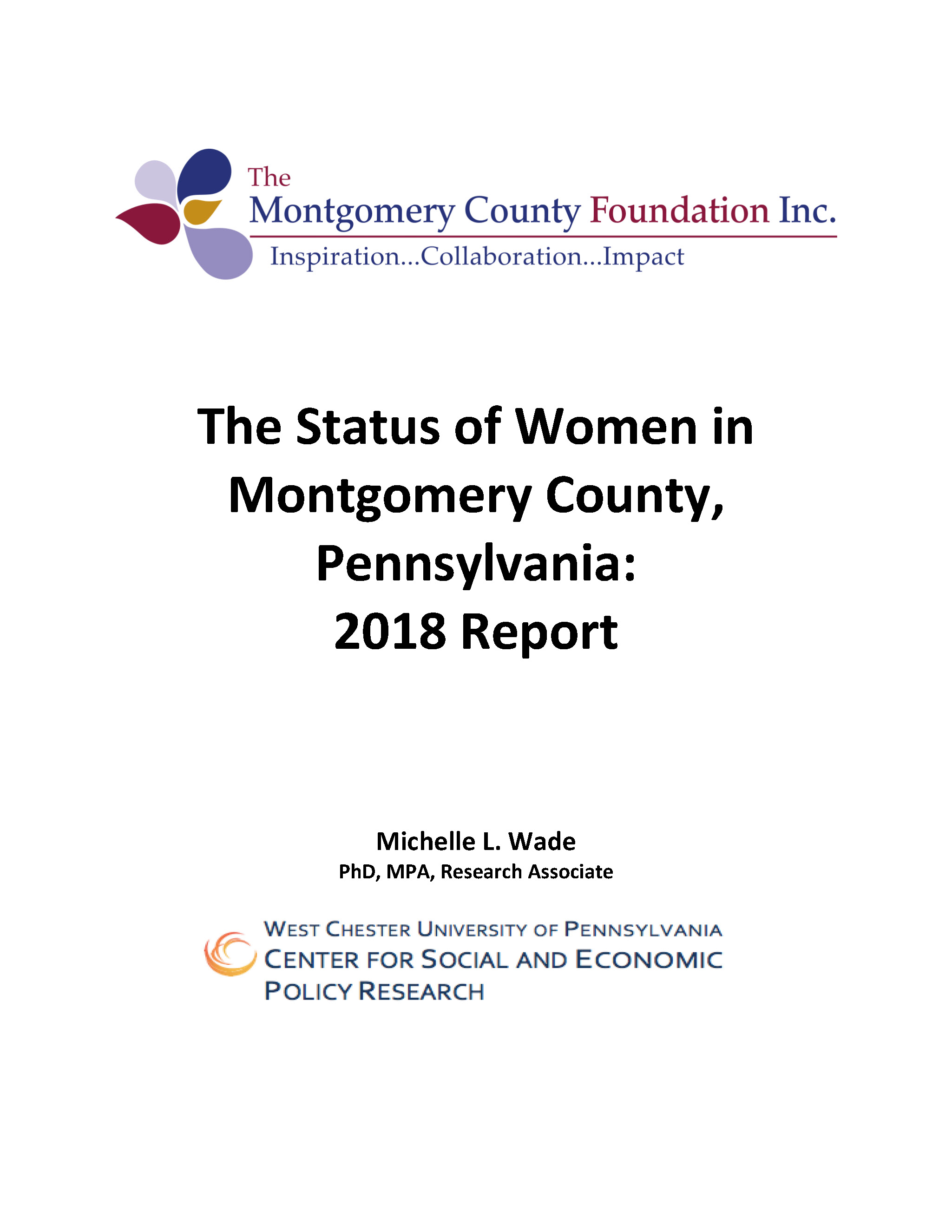
The report is an in-depth baseline needs assessment of women in Montgomery County, PA and explores eight major areas affecting the lives of women: employment and earnings; work and family; poverty and opportunity; health and well-being; reproductive rights and infant health; violence and safety; political participation; and women veterans.
The Case for Funding Black-Led Social Change intends to spark new energy to vitalize and strengthen the infrastructure for Black-led organizations. The 18-page document was issued by the Black Social Change Funders Network (BSCFN), an initiative forged by the leadership of ABFE: A Philanthropic Partnership for Black Communities and the Hill-Snowdon Foundation.
Grantmaking with a Racial Justice Lens: A Practical Guide centers the perspectives of racial justice activists first, and then of funders working on change in their institutions, to identify best practices for driving philanthropy beyond racial equity toward racial justice.
In 2018, Funders for LGBTQ Issues set out to survey the board and staff of foundations in order to identify how many LGBTQ people worked in philanthropy. In the process, the organization realized that it had an opportunity to not only ask about sexual orientation and gender identity but also to inquire about a range of personal identifiers. With the inaugural Diversity Among Philanthropic Professionals (DAPP) Survey, Funders for LGBTQ Issues asked participants to identify their role within their foundation, their age, gender identity, sexual orientation, race and ethnicity, and disability status. This report lays out the results of the DAPP survey in aggregate form.
This report by the Funders’ Network for Smart Growth and Livable Communities examines the potential of anchor institutions hold to create lasting and sustainable change—and illustrates how funders are working with anchor institutions to create healthier, more equitable, and economically vibrant places to live and work.

This new comprehensive research primer from Aspen Institute EPIC draws on extensive review of the research literature, engagement with more than 100 experts, and analysis of federal survey data.
Developed in partnership with United Philanthropy Forum and Northern California Grantmakers, this guide shares seven practices and 12 tools for Philanthropy-Serving Organizations who seek effective ways to mobilize resources to sustain their organization’s work.
While cross-sector collaborations in support of local education reform show promise, they also often face challenges. This series of case studies found that that collaborations required "a credible and compelling rationale" as well as committed local advocates.