Racial Equity and Philanthropy: Disparities in Funding for Leaders of Color Leave Impact on the Table
Echoing Green and Bridgespan teamed up to research the depth of racial inequities in philanthropic funding.
Search Tip: Search with " " to find exact matches.
Echoing Green and Bridgespan teamed up to research the depth of racial inequities in philanthropic funding.
Developed in partnership with United Philanthropy Forum and Northern California Grantmakers, this guide shares seven practices and 12 tools for Philanthropy-Serving Organizations who seek effective ways to mobilize resources to sustain their organization’s work.
In 2018, Funders for LGBTQ Issues set out to survey the board and staff of foundations in order to identify how many LGBTQ people worked in philanthropy. In the process, the organization realized that it had an opportunity to not only ask about sexual orientation and gender identity but also to inquire about a range of personal identifiers. With the inaugural Diversity Among Philanthropic Professionals (DAPP) Survey, Funders for LGBTQ Issues asked participants to identify their role within their foundation, their age, gender identity, sexual orientation, race and ethnicity, and disability status. This report lays out the results of the DAPP survey in aggregate form.
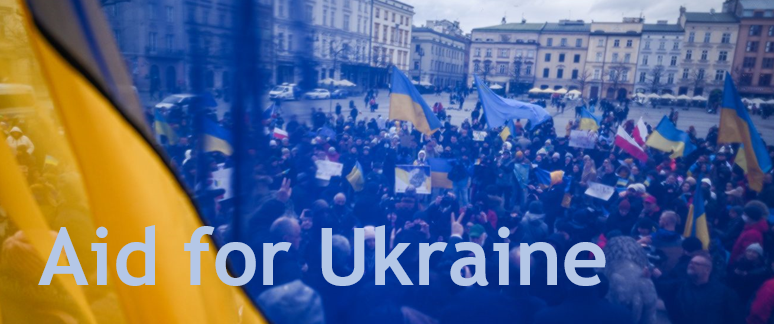
Information regarding the philanthropic response to the crisis in Ukraine.
Grantmaking with a Racial Justice Lens: A Practical Guide centers the perspectives of racial justice activists first, and then of funders working on change in their institutions, to identify best practices for driving philanthropy beyond racial equity toward racial justice.
While cross-sector collaborations in support of local education reform show promise, they also often face challenges. This series of case studies found that that collaborations required "a credible and compelling rationale" as well as committed local advocates.
The report is an in-depth baseline needs assessment of women in Montgomery County, PA and explores eight major areas affecting the lives of women: employment and earnings; work and family; poverty and opportunity; health and well-being; reproductive rights and infant health; violence and safety; political participation; and women veterans.